It is only natural that every business owner wants to know where to invest their marketing budget? After all, every penny counts. According to MarketingProfs, 32% of small business owners say limited budgets are one of their biggest marketing challenges. While 28% say they struggle to know which marketing efforts are actually delivering results.
This just shows that many businesses are unsure where to invest their marketing money to get the best return. So, if you are in the same boat, you may also be wondering, should you invest in organic social media, or is paid advertising the better option?
Especially since, in today’s digital marketing landscape, social media has become one of the most effective ways for businesses to connect with customers, build brand awareness, and drive sales. Therefore, investing in social media marketing is a no-brainer. The question is simply, in which one?
Let’s Talk About Organic Social Media
Organic social media refers to the free content businesses publish on platforms such as Facebook, Instagram, LinkedIn, X, TikTok, and Pinterest without paying to promote it. Now, when we say unpaid, that simply refers to your marketing effort. It does not apply to the effort and funds that go into creating high-quality posts, stories, videos, reels, infographics, polls, and user-generated content that reach followers naturally.
Since the primary goal of organic social media is to build relationships rather than generate immediate sales, many businesses use organic content to educate, entertain, inspire, and engage their audience consistently over time.
One of the biggest advantages of organic social media is, of course, its cost-effectiveness. Since publishing posts is free, businesses can maintain an active online presence without significant advertising expenses.
Organic content also helps establish credibility and trust. Regularly sharing valuable insights, industry news, behind-the-scenes updates, and customer success stories allows brands to position themselves as experts in their field. Research also suggests that 90% of consumers buy from brands they follow on social media. 78% of consumers also say a brand’s social media presence has a greater impact on whether they trust the brand than it did a year ago.
It also provides businesses with the opportunity to respond to comments, answer questions, and engage with followers. This creates a stronger customer relationship and typically encourages brand loyalty. With multiple studies reporting that around 73% of consumers say that if a brand does not respond on social media, they will buy from a competitor.

Not to mention, high-quality organic content continues to deliver value long after it is published. For example, helpful tutorials, educational videos, and other types of evergreen posts can generate engagement for months or even years.
However, despite its advantages, organic social media has become increasingly challenging. Most platforms now prioritise content from friends, family, and advertisers, limiting the organic reach of business pages. In short, building a substantial audience organically requires patience and consistency. Do not expect to post once and succeed. The process often takes months of regular posting before businesses begin seeing meaningful engagement and follower growth.
If you and your business have this type of patience, organic social media is a valid investment to make.
Making Sense Of Paid Social Media
Paid social media involves investing money to promote content through advertisements on social platforms. And as the famous saying goes, “money talks”. When it comes to paid advertising on socials, money talks fast, as paid ads can appear in users’ feeds, stories, video streams, search results, or recommendation sections almost instantly.
Businesses can create campaigns designed to achieve specific objectives such as increasing website traffic, generating leads, boosting sales, promoting events, or growing brand awareness. Of course, in contrast to organic posts, paid advertisements use sophisticated targeting tools that allow marketers to reach audiences based on demographics, interests, online behaviour, job titles, purchasing habits, and even previous interactions with the brand.
Now, over to one of the greatest strengths paid social media offers… speed. Businesses can reach thousands (or even millions) of potential customers within hours of launching a campaign. And speed in advertising matters because attention and decision-making happen fast online, and whoever reacts faster often wins the customer.
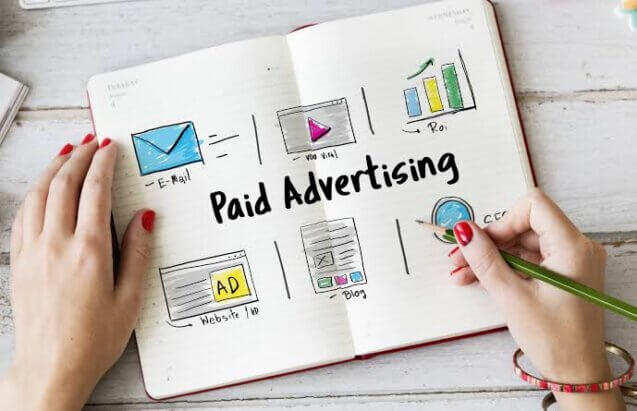
Another big advantage is that it can grow easily. If an ad campaign is working well, businesses can spend more money to reach more people and get more sales. To put it into perspective, the site WordStream Digital Marketing Benchmarks states that paid social traffic converts at an average rate of 9.21% across industries, compared to lower rates for organic traffic in most sectors.
Paid ads also give clear data on how they are performing. You, your business, and marketers alike, can see important things like how many people saw the ad, clicked on it, or made a purchase. This means, they can also track how much each customer costs and how much money the ads are making. In essence, this helps them keep improving the campaign over time.
But like anything in life, there are both pros and cons. One drawback of paid social media is the cost. While that cost can deliver the advantages mentioned earlier, it can also become a challenge if you do not know how much to spend or where to allocate your budget. It also requires ongoing investment, and campaigns stop generating traffic once the budget runs out. Competition can also drive advertising costs higher, particularly in industries with many advertisers targeting the same audience.
Finally, paid advertising alone cannot build lasting customer relationships. Without valuable organic content to support the brand, advertisements may appear overly promotional.
Comparing Organic And Paid Social Media
If you are like us, a comparison graph is always welcome. Since organic and paid social media serve different purposes within a comprehensive marketing strategy, here is the summary:
| Strategy | Pros | Cons |
| Organic Social Media | Cost-Effective: Publishing posts is free, allowing an active online presence without huge ad expenses. Builds Trust & Credibility: Establishes brands as industry experts; 90% of consumers buy from brands they follow. Fosters Customer Relationships: Encourages brand loyalty through direct engagement (comments, replies). Long-Term Value: High-quality, evergreen content continues to generate engagement for months or years. | Declining Reach: Platform algorithms prioritise friends, family, and advertisers, limiting business page reach. Time-Consuming: Requires strict patience and consistency; takes months to see meaningful growth and engagement. Lower Conversion Rates: Generally converts at a lower rate compared to targeted paid traffic. |
| Paid Social Media | Instant Results & Speed: Reaches thousands or millions of potential customers within hours of launching. Hyper-Targeted: Uses advanced tools to target audiences by demographics, behavior, interests, and job titles. Highly Scalable: Easy to increase ad spend to reach more people if a campaign is performing well. Higher Conversions & Clear Data: Boasts a 9.21% average conversion rate and provides precise, trackable ROI data. | Requires Ongoing Budget: Campaigns stop generating traffic and visibility the moment the budget runs out. Can Be Costly: High competition in certain industries can drive advertising costs up quickly. Lacks Authenticity Alone: Cannot build lasting relationships on its own; can appear overly promotional without organic support. |
This Begs The Question, Which One Is The Best Strategy?
As a marketing agency that has helped multiple companies achieve online success, we would like to say both. Rather than choosing one approach over the other, most successful businesses integrate organic and paid social media into a unified strategy.
However, we can only truly help you once we understand your specific challenges and goals. The debate between organic and paid social media is not about choosing a single winner, but about understanding how each contributes to overall marketing success. We can help you choose one or the other… or create a customised approach that uses both. By consistently creating valuable organic content and strategically investing in paid campaigns, businesses can increase brand awareness, attract qualified customers, and achieve sustainable growth in an increasingly competitive digital environment.