
When I was growing up, certain sitcoms played every afternoon on television. For this reason, I felt I knew the characters. I knew their favourite expressions (such as “You got it dude!” by Michelle on Full House). I knew their preferences, their personalities, the way they did things and thought about things. In reality, this bond I shared with them was an illusion, however, these characters were very real to me, and this connection I felt with them kept me watching the sitcoms as a loyal viewer.
This phenomenon is called ‘parasocial engagement’. It occurs when consumers feel a personal connection to a brand, even if the relationship is one-sided.
“If you watch any television series, you’ve likely been caught in conversations where you speak about the characters as if you know them personally,” says an article on Lexabi. “Your conversation can become quite lively as you express your excitement or disappointment of what your favourite character might be up to, and how the actions of the audacious bad guy is making you feel.”
You might ask what this phenomenon of ‘parasocial engagement’ has to do with social media marketing and how it can be leveraged to amplify your social media reach.
To understand this, you need to look at current marketing trends. Consumers no longer want distant, faceless brands. They want to feel connected with brands in ways which feel personal, authentic, and human. This raises the bar for brands which have in the past engaged with clients as audiences, rather than trusted friends.
‘Parasocial engagement’ in this context, means facilitating perceived intimacy between your brand and clients. It allows consumers to feel as though they share a bond with your brand’s personality, tone, or values.
When parasocial engagement is optimally understood and facilitated, the brand becomes a relatable ‘character’ in a consumer’s daily life.
The Dimensions Of Parasocial Engagement
Parasocial engagement has many dimensions. Brands which admit mistakes, explain decisions, or showcase behind-the-scenes processes foster credibility.
Furthermore, when brands adopt a voice which mirrors the way their audience speaks, they bridge the gap between the corporate and personal.
Consistency is also key. A brand which consistently responds to comments, maintains tone across platforms, and delivers on promises strengthens the perception that it is dependable, much like a loyal friend.
Through creating this perception of being a trusted friend, parasocial engagement drives long-term loyalty. A customer who feels personally connected to a brand is more likely to choose it over competitors, advocate for it in conversations, and remain committed even during market fluctuations.
Studies show that emotionally-connected customers are more than twice as valuable as highly satisfied customers because they purchase more frequently and recommend more often.
Brands which nurture parasocial bonds often create communities where customers interact with one another, reinforcing loyalty.
The Psychology Behind It
The phenomenon’s success comes down to psychology. Human beings are wired to form relationships and seek belonging. Even when the connection is one-sided, the brain responds as if the relationship is real.
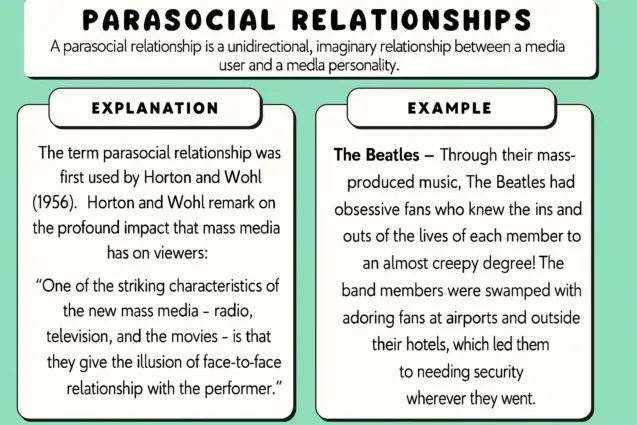
Here are some key factors underlying the psychology of parasocial engagement:
Emotional resonance
When a brand speaks to shared values, such as sustainability or fun, it triggers an emotional response from clients.
Consistency of presence
Seeing a brand regularly on social media or in everyday life mirrors how friendships are maintained.
Perceived intimacy
Direct replies, personalised content, and interactive campaigns create the illusion of closeness.
The outcome is a powerful combination of emotional investment and habitual engagement from the customer.
Like any powerful tool, parasocial engagement also carries risks. Over-reliance on personality-driven marketing can backfire if a campaign feels inauthentic or opportunistic. Likewise, if a brand ‘friend’ lets consumers down by failing to act on social issues, for example, loyal fans may feel betrayed, leading to backlash.
Brands must therefore tread carefully, balancing relatability with responsibility.
When I choose to follow a brand or engage with a brand online, the perceived personality of the brand will be the first thing I notice. My engagement with the brand will involve an interplay of trust or familiarity, and exploration, as I follow the brand’s growth and expansion into new frontiers.
Ultimately, a brand which resonates with my heart and feels as though it is a part of my everyday life, as a friend would be, is one I will stick to. This is the kind of brand I will notice and seek out in an overcrowded market, much in the same way that I might head straight for a friend in an overcrowded room.
In summary, a ‘friend’ is consistent and present in everyday matters; a friend’s sentiments resonate with my values; a friend hears me and responds.
As digital platforms evolve, parasocial engagement is expected to grow, so it’s definitely here to stay. I reason it’s a good thing, if a trend forces us to be a little more human and a lot more trustworthy.