
When I look for a product, I like to know what people are saying about it, not just what the clinic or service provider has to say. What does my tribe think? Because if they don’t give something a thumbs up, because they are my people and I trust them, I will probably hesitate to try the product or service in question.
However, when all they can do is praise a clinic or establishment, I am compelled to go and visit it for myself. This is for the simple reason that my reference point is not the brand in question. Rather, it is my inner circle, my tribe.
This means that reviews and local social media comments made by people I perceive as trustworthy hold high value in my assessment of whether a brand is credible and will deliver on its promises.
I don’t believe I’m different from the rest.
SocialPilot says of UCG: “As it is experience-driven and honest, UGC is known to be the most reliable, trustworthy, and authentic form of content compared to brand-pushed marketing content. These features make the marketers crave this valuable user-generated content.”
Marketers are cottoning onto this and they are increasingly harnessing the power of ‘user-generated content’ (UGC), as it is called, in their campaigns.
Glossier gives an example of this principle in play. When the company first launched in the UK, it didn’t pour millions into glossy ad campaigns. Instead, it allowed everyday women, like you or me, to be its voice. These women shared selfies of their ‘skin first, makeup second’ look. Through this, they got other women in their circle excited about Glossier.
This selfie idea was brilliant. I mean who doesn’t share selfies? The idea of incorporating this behaviour women were already engaging in in their campaigns was sheer genius.
This ripple effect, from friend to friend, follower to follower, became a tidal wave of awareness. Women got to hear about Glossier and their products from their trusted friends… from their ‘tribe’.
UGC has become a central pillar of social media marketing. According to a recent report by Kolsquare, about 42 percent of UK brands are already using UGC in their campaigns. Marketers are recognising that real people sharing real experiences have more influence than polished ads.
There are many reasons why UGC has gained in popularity in recent years. One is the increasing emphasis on trust and authenticity in marketing. UK consumers are more sceptical than ever of overtly commercial content.
They want posts which feel genuine, spontaneous, or even imperfect. UGC provides this kind of content.
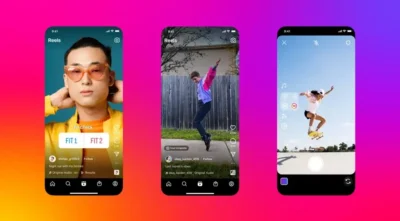
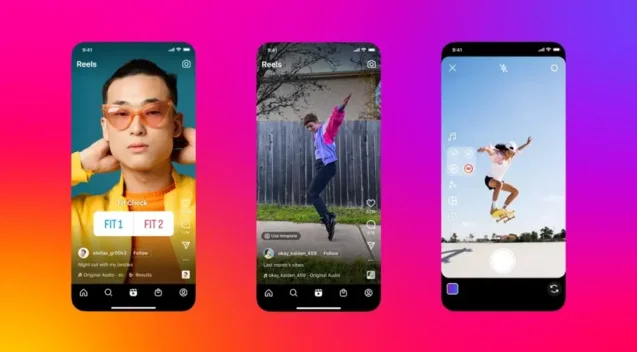
The rising popularity of short-form videos has also been a big driving force behind the popularity of UGC. Younger users love TikTok, Instagram Reels, and similar platforms. Marketers are realising this and are now using these platforms to drive campaigns.
Technology advancements are also helping. Marketers can now easily identify which user content is resonating, filter out the low-quality, and repurpose the best for brand-owned channels
Finally localisation and regional voices are making a comeback in UK marketing. Rather than speaking to a generic ‘UK audience’, brands are leaning into regional charm or building campaigns which reflect local culture, stories, and experiences. In this way, they are turning ordinary customers into content creators
Here are some ways to incorporate UCG into your marketing campaigns:
Before-and-After Storytelling
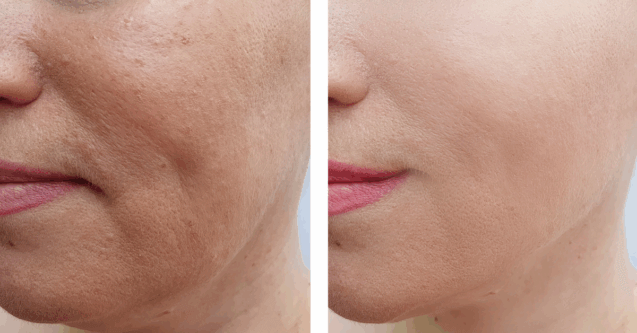
Few things tell a story better in the aesthetics industry than before-and-after transformations. Certain UK clinics have made a name for themselves by encouraging clients to share post-treatment results on Instagram.
This type of UGC doubles as a testimonial and a source of trust for new clients considering their first treatment.
Day in the Life Beauty Diaries
Boots UK has created an online ‘Glow Community’ where customers share their daily routines and skincare wins. Aesthetics clinics can borrow from this model by inviting clients to document ‘A Day in My Skin’ after a facial, injectable, or treatment plan, for example.
Interactive Challenges and Hashtags
Charlotte Tilbury Beauty has successfully launched branded hashtags such as #CharlotteTilburyGlow, encouraging fans to share their make-up transformations. A UK aesthetics clinic could mirror this strategy with a hashtag like #GlowUpWithLondonSkin, where clients share how their complexions have improved after treatments.
Live Transformation Streams
A growing number of London-based clinics are embracing transparency by streaming parts of their treatments live on Instagram or TikTok. This is a trust-building move that feels far more honest than traditional adverts.
In-Clinic UGC Zone
Harrods Beauty Hall has created visually striking corners perfect for selfies. Aesthetics clinics can take inspiration by setting up a flattering, branded selfie spot. A neon sign with the clinic’s name or hashtag, like #HarleyGlow or #ManchesterSkin, invites clients to snap and share immediately, amplifying the brand’s reach in a fun, organic way.

Community Campaigns
UK skincare giant Elemis has built an online community where customers share their experiences and wellness routines. Clinics can create private Facebook groups or members-only WhatsApp communities for patients to share journeys and tips. Highlighting these communities publicly shows new clients that real people are proud to be associated with the clinic, while deepening loyalty.
The bottom line is that community-led marketing powered by UGC has become a strategic differentiator. For brands which get this right, the payoff is deeper loyalty, better engagement, and more sustainable growth.